

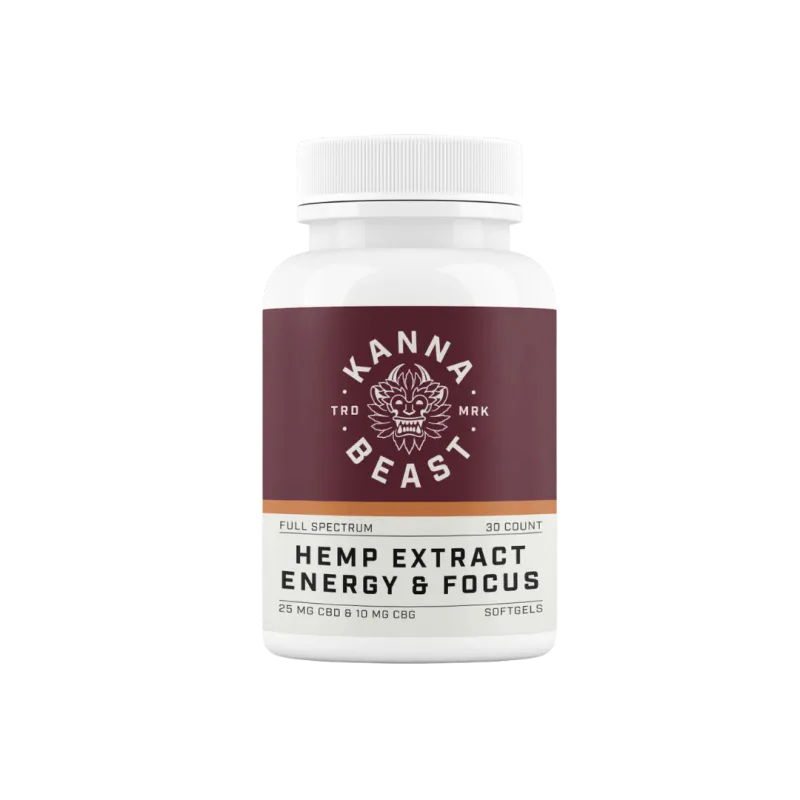
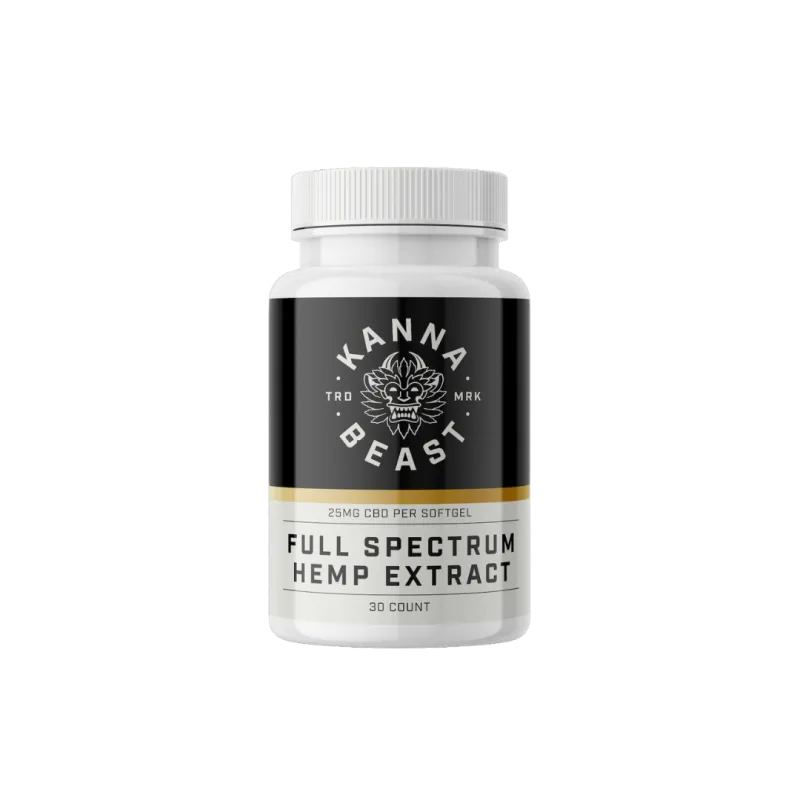
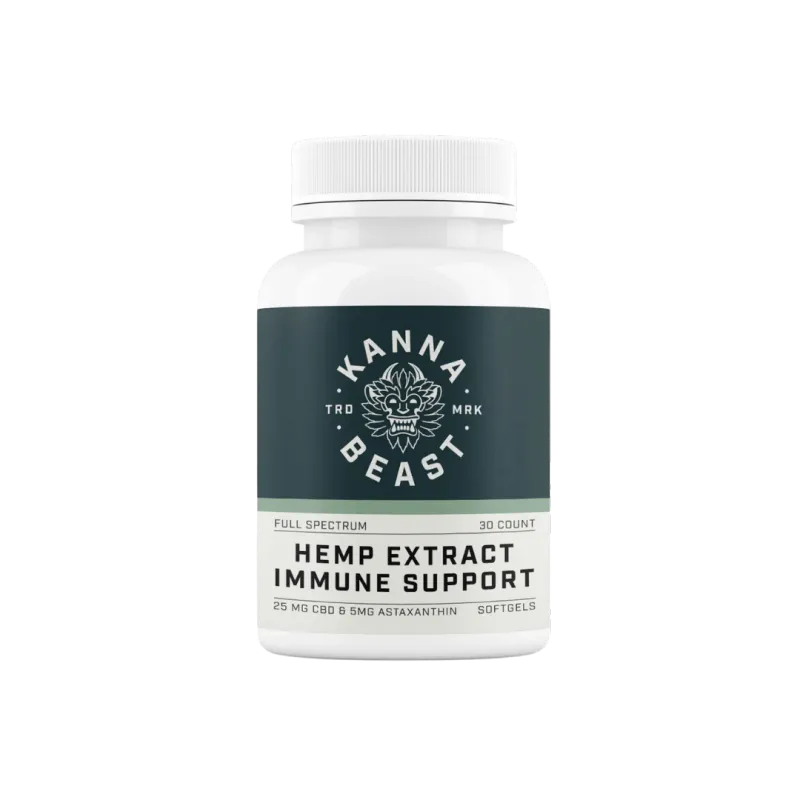
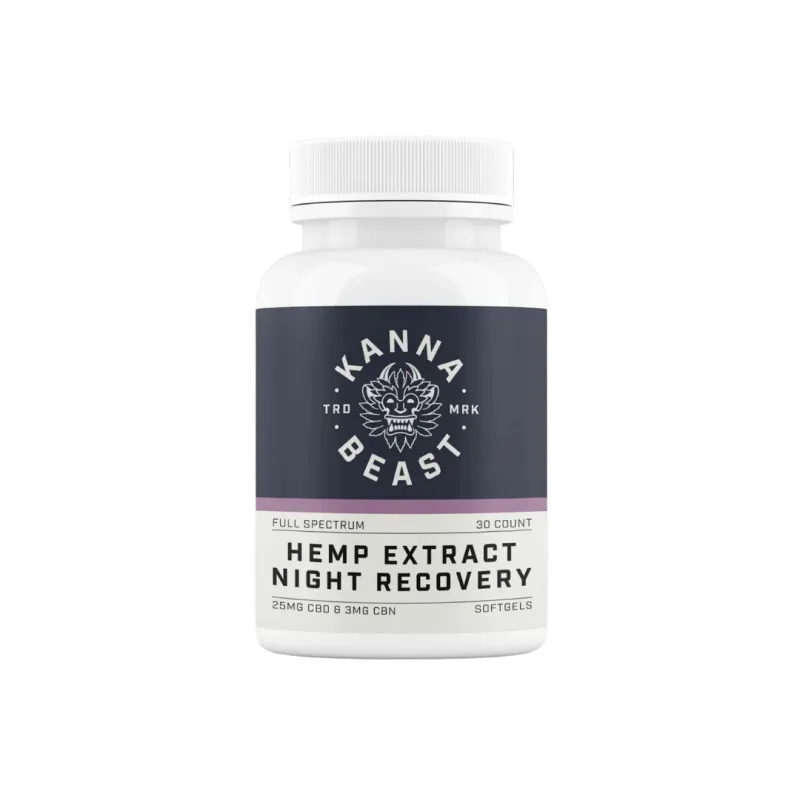
Real People, Real Results
Purity Matters
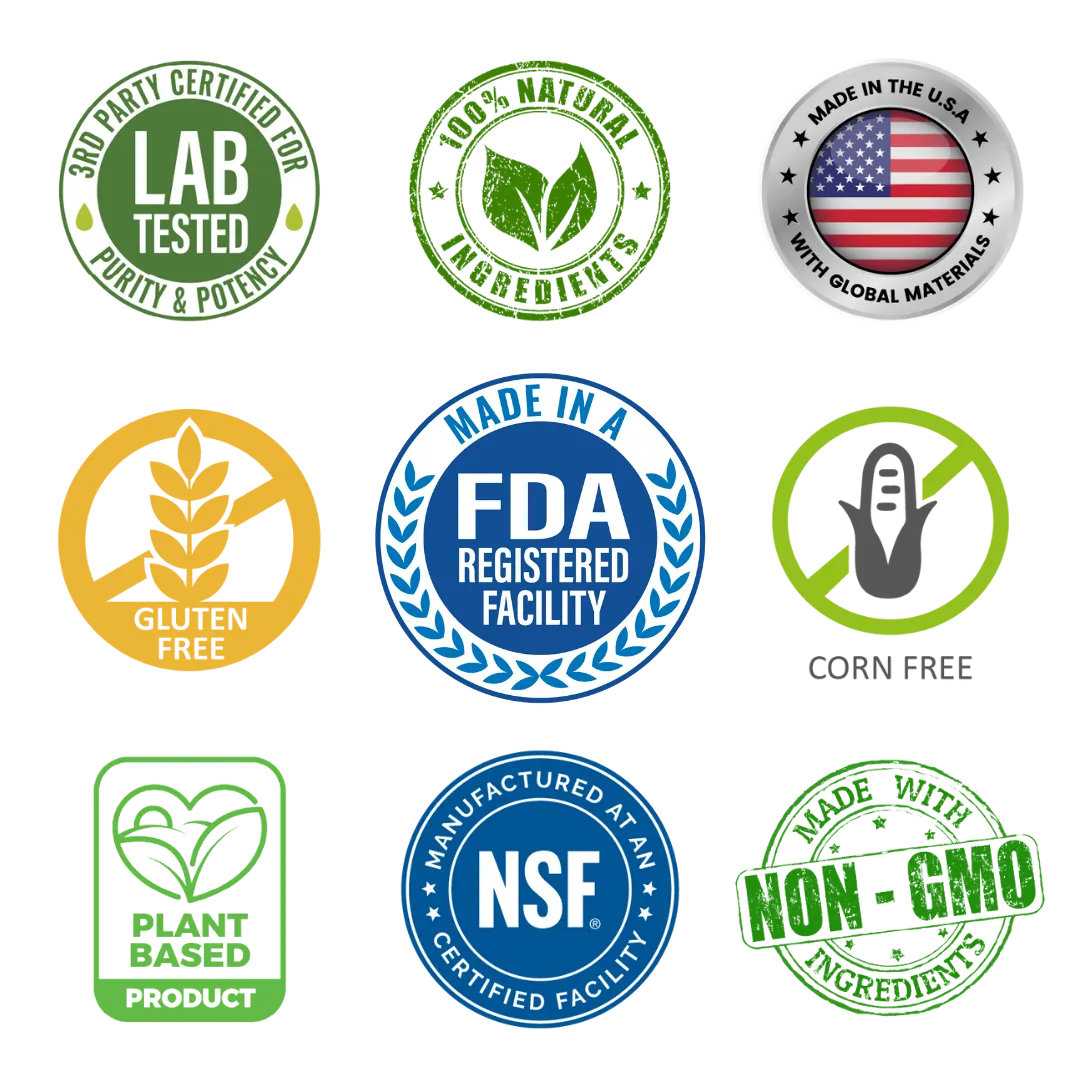
Made in the USA
All of our products are Made in the USA and Manufactured at an FDA Registered, cGMP Certified Facilities and 3rd Party Tested for purity, potency, and quality. All of our products are certified organic.
Join the Beast Blog!
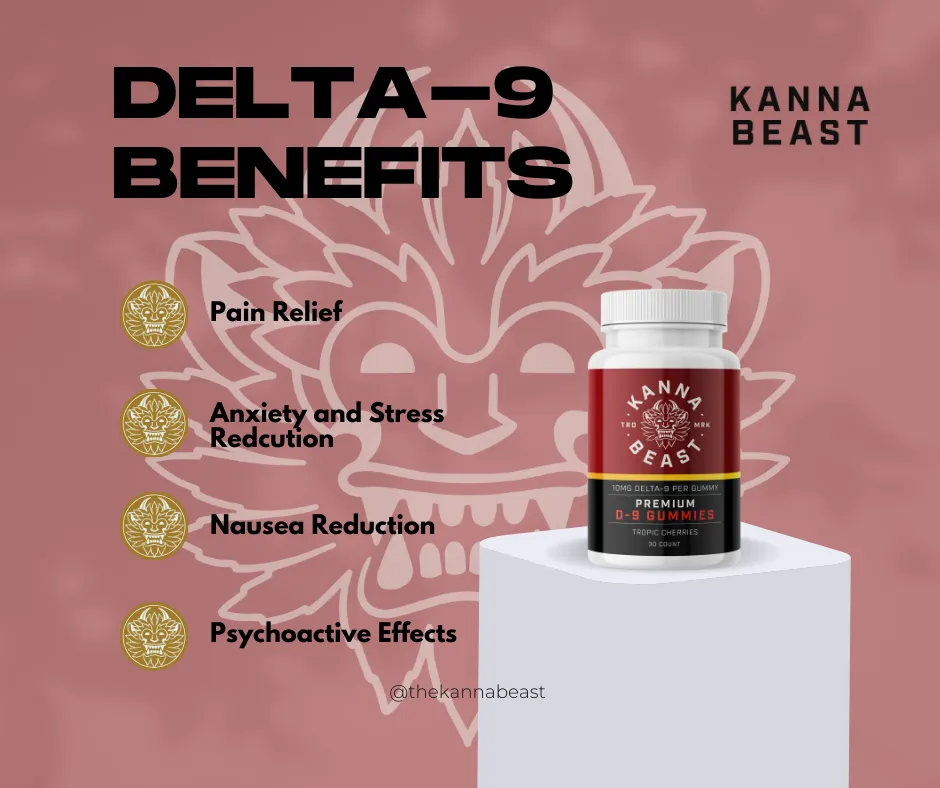
Diving into Delta-8 and Delta-9
Understanding the Differences: CBD, Delta-8, Delta-9, and THC Explained
Navigating the cannabis landscape and delving into the similarities and differences of the plants cannabinoids.
In the ever-evolving world of cannabis and hemp-derived products, terms like CBD, Delta-8, Delta-9, and THC are becoming increasingly common. However, understanding the distinctions between these compounds is crucial for consumers to make informed decisions about their usage. In this blog, we'll delve into the differences between CBD, Delta-8, Delta-9, and THC to provide clarity and insight into their unique properties and effects.
🍓CBD (Cannabidiol):
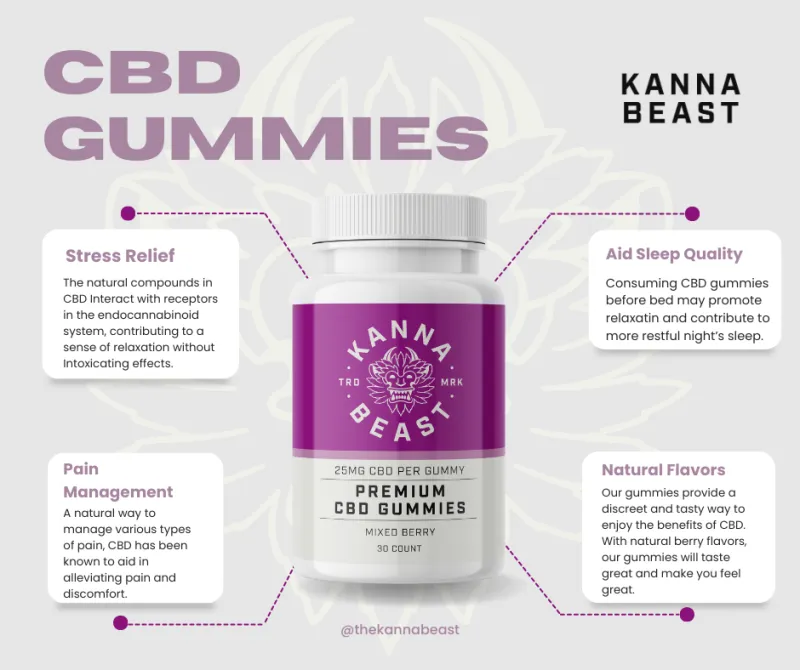
CBD, short for cannabidiol, is one of over 100 cannabinoids found in the cannabis plant. Unlike its counterpart THC, CBD is non-psychoactive, meaning it does not produce the "high" typically associated with cannabis use. Instead, CBD is celebrated for its potential therapeutic benefits, including its ability to alleviate pain, reduce anxiety, and promote relaxation. It interacts with the body's endocannabinoid system to help maintain balance and homeostasis. It binds to the CB1 and CB2 receptors in the body to regulate pain perception, inflammation, and mood (Grinspoon). More information on CBD can be found on our other blogs!
🫐Delta-8-Tetrahydrocannabinol (Delta-8 THC):

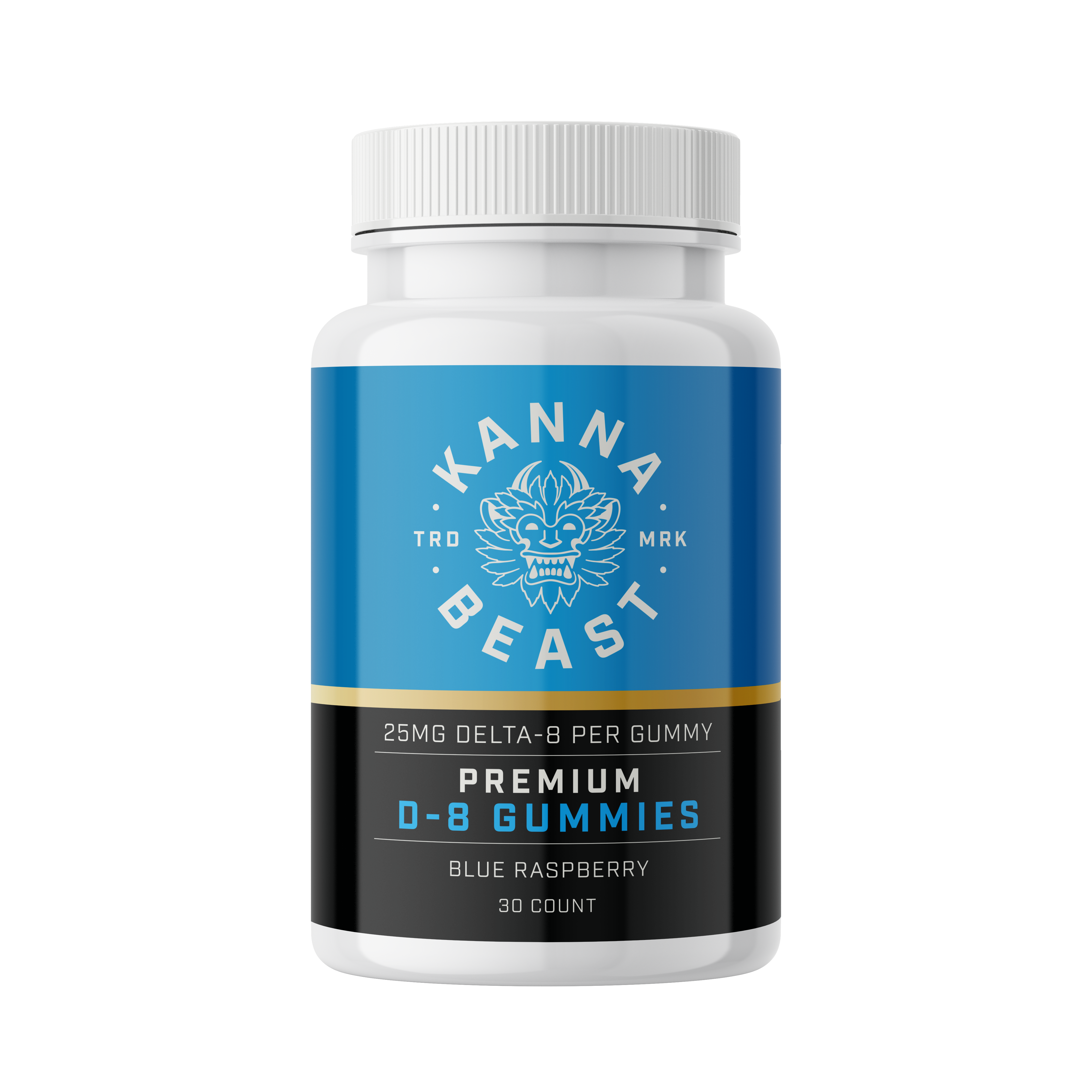
As defined by the FDA, Delta-8 THC is a psychoactive substance found in the cannabis sativa plant. It is a lesser-known cannabinoid that is similar in structure to Delta-9 THC, the primary psychoactive compound in cannabis. However, Delta-8 THC is reported to have milder psychoactive effects, often referred to as "diet weed", making it less potent than Delta-9 THC. Some users describe Delta-8 THC as providing a smoother, more clear-headed high compared to traditional THC. Similar to the effects of one or two glasses of wine/beer. It's often used for its potential therapeutic benefits, including pain relief, appetite stimulation, and nausea reduction. Many people have found Delta-8 helpful for reducing anxiety and depression, nausea and vomiting, glaucoma, and trouble sleeping (Sreenivas).
The reason behind the "diet" effects lies in the weaker attraction between Delta-8 and the cannabinoid receptors. These CB1 receptors need to be "unlocked" with keys called endocannabinoids. The structure of Delta-8 is very similar to that of our endocannabinoid system which allows for it to take control of the ECS for a bit, bringing you that high feeling (Sreenivas). Some short-term negative effects include impaired coordination, lethargy, anxiety, disorientation, dry mouth, and increased heart rate (Hipp). Potential benefits of Delta-8 include pain relief, better sleep, calming of the nervous and immune system, increased appetite, reduced inflammation, and sensory overstimulation prevention.
🍒Delta-9-Tetrahydrocannabinol (Delta-9 THC):

Delta-9 THC is the cannabinoid most commonly associated with the psychoactive effects of cannabis. It is the most naturally occuring and intoxicating component of the cannabis plant. It binds to cannabinoid receptors in the brain and central nervous system, resulting in the euphoric "high" experienced by users. Delta-9 THC is known for its potent psychoactive effects, which can vary depending on factors such as dosage, method of consumption, and individual tolerance. While Delta-9 THC has therapeutic potential for conditions like chronic pain and nausea, its psychoactive properties make it subject to legal restrictions in many regions.
There are many therapeutic benefits for individuals with health conditions. The FDA has approved two synthetic THC formulas, dronabinol and nabilone. These are used to alleviate nausea and vomiting induced by chemotherapy. Additionally, nabilone is used to increase appitie in people with AIDS. For people be suffer from nausea or vomiting from chemotherapy, seizure disorders, chronic pain, multiple sclerosis and sleep disorders could benefit from Delta-9 (Hipp).
Utilizing these products allows for the potential of adverse effects like paranoid, anxiety, confusion, dry mouth, sedation, low blood pressure (hypertension), and feeling uneasy/unhappy. Potential benefits of Delta-9 include relaxation, feelings of happiness or thrill, heightened Imagination, improved sensory perception, increased appetite, decreased anxiety, pain reduction (Hipp).
THC (Tetrahydrocannabinol):
THC, or tetrahydrocannabinol, is a broad term that encompasses both Delta-8 THC and Delta-9 THC. It is the primary psychoactive compound found in cannabis and is responsible for the mind-altering effects associated with marijuana use. THC interacts with the body's endocannabinoid system to produce a range of effects, including euphoria, relaxation, altered perception of time, and heightened sensory perception. While THC is known for its recreational use, it also has potential medical applications for conditions such as chronic pain, PTSD, and insomnia.
Overview
CBD, Delta-8, Delta-9, and THC are distinct compounds with unique properties and effects. While CBD is non-psychoactive and celebrated for its potential therapeutic benefits, Delta-8 and Delta-9 THC are psychoactive cannabinoids that produce the "high" associated with cannabis use. Understanding the differences between these compounds is essential for consumers to make informed choices about their cannabis and hemp-derived products.
Delta-9 will show up on a drug test, while Delta-8 might not. Depending on the concentration of THC in the Delta-8 products, a drug test could show positive for THC.
It is important to remember there is limited data on the effects of CBD, Delta-8, and Delta-9 on the brain and body. While cannabis can boost those "feel-good" feelings, it is important to practice moderation. Consult with your doctor before using any cannabis products. Enjoy responsibly, must be 21+ to consume cannabis.
Citations:
Grinspoon, P. (2021b, September 24). Cannabidiol (CBD): What we know and what we don’t. Harvard Health. https://www.health.harvard.edu/blog/cannabidiol-cbd-what-we-know-and-what-we-dont-2018082414476
Hipp, D., & Spar, MD, MPH, M. (2024, February 20). Delta-8 THC vs. delta-9 THC: What’s the difference? Forbes. https://www.forbes.com/health/cbd/delta-8-vs-delta-9/
Sreenivas, S., & Sachdev, MD, P. (2023, September 13). Delta-8 THC: What you need to know about this cannabinoid. WebMD. https://www.webmd.com/mental-health/addiction/what-is-delta-8
Office of the Commissioner. (2022, May 4). 5 things to know about delta-8 tetrahydrocannabinol – delta-8 THC. U.S. Food and Drug Administration. https://www.fda.gov/consumers/consumer-updates/5-things-know-about-delta-8-tetrahydrocannabinol-delta-8-thc#:~:text=Delta%2D8%20tetrahydrocannabinol%2C%20also%20known,amounts%20in%20the%20cannabis%20plant.
WebMD. (n.d.). Delta-8-tetrahydrocannabinol (delta-8-THC): Overview, uses, side effects, precautions, interactions, dosing and reviews. WebMD. https://www.webmd.com/vitamins/ai/ingredientmono-1653/delta-8-tetrahydrocannabinol-delta-8-thc

QUESTIONS? CONTACT US
CONTACT@KANNAFITNESS.COM
COPYRIGHT © 2019 KB Supplement Solutions Inc.
Disclaimer: This product is not for use by or sale to persons under the age of 18. The statements made regarding these products have not been evaluated by the Food and Drug Administration. The efficacy of these products has not been confirmed by FDA-approved research. These products are not intended to diagnose, treat, cure or prevent any disease. All information presented here is not meant as a substitute for or alternative to information from health care practitioners. Please consult your health care professional about potential interactions or other possible complications before using any product. The Federal Food, Drug and Cosmetic Act requires this notice.
Facebook
Instagram
TikTok